
Data-Driven Facilities Management for Australian Schools.
From legal compliance to long-term strategic planning, we provide the data-driven oversight needed to keep your campus safe, efficient, and enrolment-ready.
How We Support Your School.
-
Facilities Compliance & Auditing
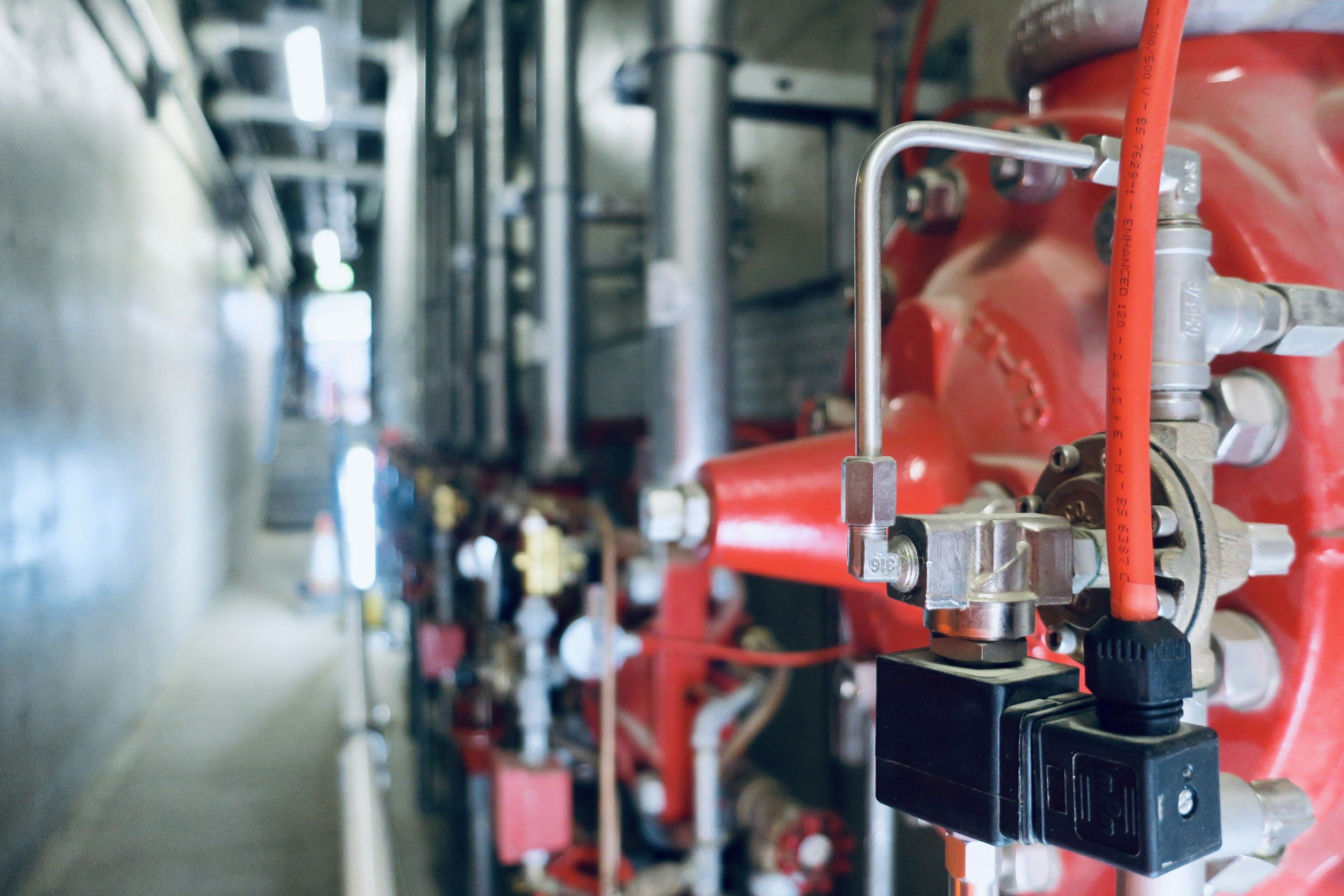
We provide rigorous site inspections and essential reporting to ensure your campus meets all National Construction Code (NCC) and Queensland-specific safety standards. From Prescribed Fire Safety Installations (PFSI) and Asbestos Management to identifying Priority 1-3 defects, we identify hidden liabilities before they become expensive emergency repairs. Our auditing process is designed to align with the DoE condition assessment standards, ensuring your school remains compliant with the Building Fire Safety Regulation 2008.
-

Preventative Maintenance Planning
Move from reactive ‘firefighting’ to proactive care with tailored maintenance schedules aligned with the Annual Maintenance Program (AMP). We manage your mandatory safety testing, Test & Tag registers, and routine servicing for critical infrastructure like HVAC, lifts, and fire systems. Our data-driven approach extends the life of your assets and ensures your campus remains fully operational 365 days a year, protecting your long-term capital budget.
-

Contractor Coordination & Oversight
We strip away the administrative burden of managing trades. Our team oversees the full contractor lifecycle, including QLD Blue Card verifications, site safety inductions, and the rigorous review of Safe Work Method Statements (SWMS). We ensure every contractor on your grounds is compliant with QLD education site requirements, qualified, and performing to a high standard without disrupting the learning environment.
-
Strategic Facilities Management
Protect your school’s future with long-term asset and financial planning. We develop comprehensive Strategic Maintenance Plans and Asset Lifecycle strategies that align with your school's vision. By combining utility monitoring with elite Grounds & Presentation standards, we help you reduce overheads while maintaining a campus that attracts families and inspires community pride.
Foundational Compliance & Strategic Frameworks
-
Asbestos, BEMIR & Essential Compliance Systems
We establish integrated operational systems that give school leadership complete visibility and control over critical compliance obligations. Our framework coordinates the tracking and reporting of Asbestos Management Plans (AMP) and Built Environment Materials Information Registers (BEMIR), while implementing strict Work Area Access Permit (WAAP) workflows. Rather than letting compliance data sit fragmented across disconnected reports, we build a structured system that supports safer onsite decision-making and coordinates qualified third-party specialists when certified inspections or statutory sign-offs are required.
-
Fire Safety & ESM Coordination Frameworks
We build a centralised operational framework to coordinate and streamline your campus fire safety and Essential Safety Measures (ESM) tracking. By centralising contractor scheduling, inspection reporting visibility, and defect remediation tracking, we eliminate reliance on independent, uncoordinated trades operating in silos. The result is a highly structured, audit-ready environment that gives school leadership clear oversight of critical life safety obligations and the robust documentation needed to support Annual Occupier Statements.
-
Strategic Maintenance & Asset Planning (SMP)
We design risk-based strategic maintenance frameworks that empower school leadership to move away from reactive spending and toward planned, financially controlled decision-making. By analyzing asset conditions, recurring failures, and operational risks, we help prioritize your maintenance activities based on actual operational impact. This framework gives boards and principals greater visibility over infrastructure risks, improved planning capability, and clearer alignment between maintenance budgets and school priorities.
-
Contractor Governance & Site Access Control
We help schools implement structured contractor governance systems that maximize control, accountability, and safety across all third-party providers. Our framework establishes robust contractor onboarding workflows, site-specific induction protocols, Blue Card and insurance tracking, and strict pre-start permit systems. Instead of contractors operating independently with limited oversight, our systems ensure every worker on your grounds aligns with your school's safety culture and compliance requirements.
-
WHS Risk Management & Operational Reviews
We deliver practical WHS and operational risk review frameworks that significantly improve hazard visibility across your facilities, grounds, maintenance activities, and playground interfaces. Our role focuses on identifying potential risk exposure, documenting findings, and helping leadership prioritize and track corrective actions. For areas requiring specialized testing or legal certification, we seamlessly coordinate qualified third-party providers and manage the operational follow-through on behalf of the school.
-
Asset Lifecycle & Financial Modelling
We build practical lifecycle planning frameworks that project future financial pressures sitting within your buildings, infrastructure, plant, and equipment. By reviewing service histories, condition trends, and infrastructure risks, we create capital forecasting models that help schools identify future liabilities early and improve long-term maintenance budgeting. This proactive approach eliminates unexpected infrastructure failures and provides school boards with the clear data required for strategic, long-term planning.
Integrated Managed Services
-
Full-Service Facility Oversight
We offer a fully outsourced facilities management model for schools that want professional excellence without the internal overhead. This includes comprehensive site supervision, daily hazard identification, and the management of all "soft services." We take full ownership of your facility’s operational health, providing a single point of accountability for everything from the front gate to the back fence.
-
Active Contractor & Trade Coordination
We take the stress out of maintenance day. Our team manages the entire lifecycle of external trades—from hosting site inductions and issuing Work Area Access Permits (WAAPs) to performing final quality audits on completed works. We ensure contractors work safely, stay within the scope, and respect the unique environment of an active school campus.
-
End-to-End Work Order Management
We strip away the administrative burden of maintenance by managing your entire work order lifecycle. From the moment a defect is reported, we triage the request, assign the appropriate trade, oversee the repair, and verify the quality of work before closing the ticket. Our professional management ensures that repairs are completed on time, within budget, and with zero disruption to the learning environment.
Need Independent Expert Advice?
Not every challenge fits a schedule. We provide ad hoc consulting for school boards, executive teams and facility managers facing unique facility hurdles, from one-off projects and strategic advisory to comprehensive facility reviews. Get the clarity you need without the long-term commitment.
School Compliance & Management Insights
-
Under the Building Fire Safety Regulation 2008, Queensland schools must maintain a Fire Safety Management Plan, ensure all Prescribed Fire Safety Installations (PFSI) are serviced by qualified technicians, and produce a valid Annual Occupier Statement. Failure to maintain these records can result in significant fines during a QFES inspection.
-
While the WHS Regulation 2011 allows for a review every 5 years, Queensland Department of Education policy requires schools to review their AMP annually. Additionally, the plan must be updated immediately if asbestos is removed, disturbed, or if the building's condition changes. For high-traffic school environments, maintaining an annual review cycle is essential for BEMIR compliance and student safety.
-
A Strategic Maintenance Plan (SMP) is a long-term financial and operational roadmap that prioritizes facilities spending based on asset condition. For QLD schools, an SMP ensures that maintenance budgets are directed toward the highest-risk defects (Priority 1-3), moving the school from reactive firefighting to proactive asset lifecycle management.
-
Yes. Under Queensland law, any contractor performing work on school grounds during school hours must hold a valid Blue Card (Working with Children Check). Schools are responsible for maintaining a Contractor Register that logs Blue Card numbers, expiry dates, and site-specific safety inductions.
-
Reactive maintenance occurs after an asset fails (e.g., a burst pipe), often resulting in high emergency costs and classroom disruption. Preventative maintenance involves scheduled inspections and servicing—such as HVAC tuning or roof gutter cleaning—designed to extend asset life and ensure compliance with Department of Education (DoE) standards.
-
A Work Area Access Permit (WAAP) acts as a safety gatekeeper. It ensures that before any contractor begins work, they have been pre-screened against the school’s Asbestos Register and have submitted a Safe Work Method Statement (SWMS). This formalizes the "duty of care" and significantly reduces the school's liability.
-
PFSI includes all essential safety measures such as fire extinguishers, fire hose reels, emergency lighting, exit signs, smoke alarms, and fire-rated doors. These must be tested at specific intervals (monthly, six-monthly, or annually) as dictated by Australian Standard AS1851.
-
Schools can avoid budget shock by implementing Asset Lifecycle Financial Modelling. By identifying the remaining useful life of high-value infrastructure (like roofing, car parks, and HVAC), school boards can forecast capital expenditure years in advance, ensuring funds are set aside for replacement before a failure occurs.
-
Priority 1: Urgent safety risks or legislative breaches that require immediate action.
Priority 2: Issues that will lead to rapid deterioration or higher costs if not addressed within 6–12 months.
Priority 3: Routine maintenance or cosmetic repairs that can be planned into the multi-year budget.